Explore best practices for managing high-risk medications in long-term care and reducing adverse drug events.
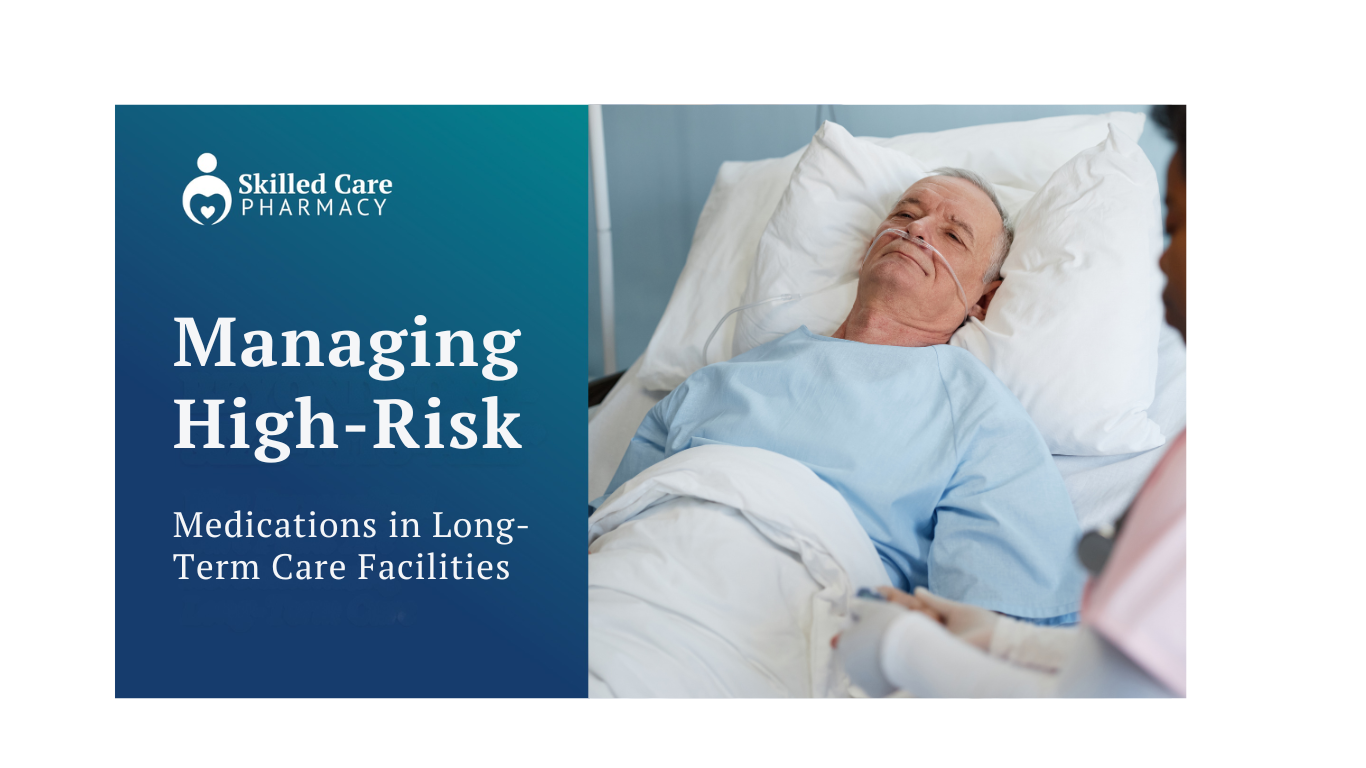
High-risk medications require heightened attention in long-term care settings due to their potential to cause significant harm if not managed properly. These medications, while often necessary, demand careful oversight, clear documentation, and strong interdisciplinary coordination.
Common high-risk medication categories include anticoagulants, insulin, opioids, and certain psychotropic drugs. Each carries specific risks that must be actively managed.
Why High-Risk Medications Require Special Attention
Residents in long-term care often have multiple comorbidities and complex medication regimens. This increases the likelihood of drug interactions, dosing challenges, and adverse effects.
For example:
• Anticoagulants can increase bleeding risk if not monitored closely
• Insulin requires precise dosing and timing to prevent hypoglycemia
• Opioids can lead to sedation, respiratory issues, and falls
Without proper oversight, these medications can contribute to serious complications.
Building a High-Risk Medication Management Framework
Effective management begins with structure and accountability.
Identification and Flagging
Facilities should clearly identify high-risk medications within their systems to ensure additional precautions are taken.
Routine Clinical Review
Pharmacist-led reviews help assess dosing accuracy, identify interactions, and recommend adjustments when needed.
Staff Education
Care teams must understand the specific risks associated with each medication category and know what warning signs to monitor.
Enhanced Monitoring Protocols
Residents on high-risk medications should be monitored more frequently for changes in condition, vital signs, and side effects.
The Role of Documentation
Accurate documentation is essential for both safety and compliance. Detailed records ensure that:
• Medication administration is tracked correctly
• Changes are communicated across shifts
• Facilities are prepared for audits and surveys
Pharmacy as a Strategic Safety Partner
Pharmacy providers serve as a critical safeguard in managing high-risk medications. Through ongoing clinical oversight, timely communication, and accurate recordkeeping, they help facilities reduce adverse drug events and maintain compliance.
Conclusion
Managing high-risk medications is not simply a clinical task, it is an operational priority that affects every level of care. With structured processes and strong pharmacy partnerships, facilities can reduce risk, improve outcomes, and ensure safer environments for residents.
Skilled Care Pharmacy supports long-term care facilities with the expertise and systems needed to manage high-risk medications with confidence and precision. Want to strengthen your facility’s approach to high-risk medication management?
Contact Skilled Care Pharmacy today to learn how our team supports safer medication practices, clinical oversight, and long-term care compliance.