Discover why annual medication reviews are essential in long-term care and how pharmacy partnerships help improve safety, compliance, and resident outcomes.
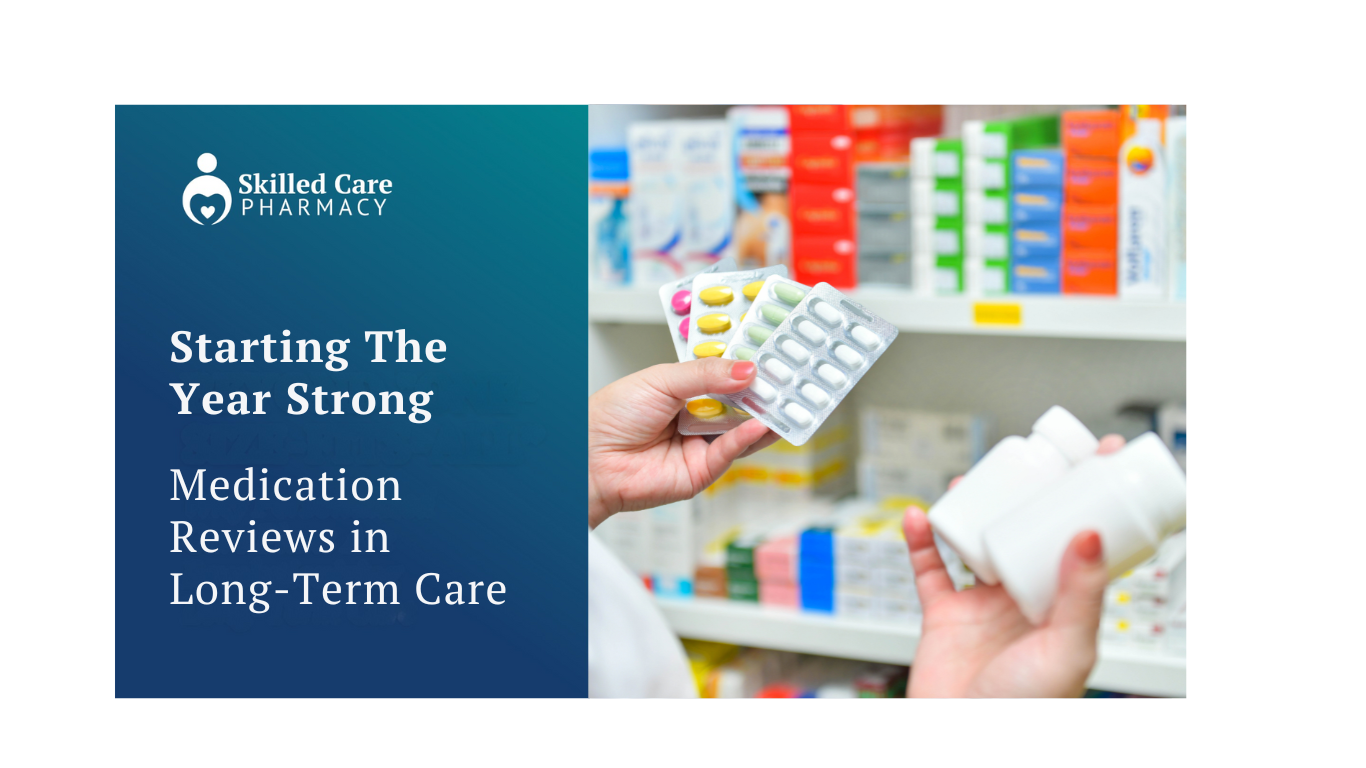
The beginning of a new year is a natural time for reflection, planning, and improvement. For long-term care facilities, January presents an ideal opportunity to reset medication management practices and ensure residents are starting the year with safe, effective, and well-coordinated therapy plans.
Comprehensive medication reviews are one of the most impactful tools facilities can use to reduce risk, improve outcomes, and support regulatory compliance. When done thoughtfully and consistently, they go far beyond a routine requirement and become a foundation for quality care.
Why Medication Reviews Matter in Long-Term Care
Residents in long-term care settings often take multiple medications to manage chronic conditions. Over time, therapies can become outdated, duplicative, or no longer appropriate due to changes in health status. Without regular review, this can increase the risk of adverse drug events, falls, hospitalizations, and reduced quality of life.
Medication reviews help facilities:
- Identify unnecessary or duplicate medications
- Adjust dosages based on age, kidney function, or changing conditions
- Reduce side effects that impact mobility, cognition, or hydration
- Improve adherence and staff confidence in medication administration
Why January Is the Ideal Time
Starting the year with a comprehensive medication review allows care teams to establish a strong baseline for the months ahead. January reviews help facilities align medication regimens with updated care plans, new physician orders, and evolving resident needs.
This timing also supports:
- Survey preparedness and documentation accuracy
- Care plan updates following year-end assessments
- Improved communication across nursing, pharmacy, and provider teams
The Role of the Pharmacy Partner
A trusted pharmacy partner plays a critical role in the medication review process. Skilled Care Pharmacy collaborates closely with long-term care facilities to evaluate medication profiles, flag potential concerns, and provide clinical insight that supports informed decision-making.
Pharmacy-led reviews may include:
- Identifying high-risk medications such as anticoagulants, sedatives, or insulin
- Monitoring for drug interactions and cumulative side effects
- Recommending therapy simplification where appropriate
- Supporting documentation and compliance requirements
Having pharmacist expertise integrated into the review process ensures that medication decisions are both clinically sound and operationally feasible for staff.
Supporting Staff Through Clear Communication
Medication reviews are most effective when findings are clearly communicated to nursing staff and providers. Clear recommendations, education, and follow-up ensure that adjustments are implemented correctly and monitored over time.
Facilities that prioritize collaborative medication reviews often see improved workflow efficiency and stronger confidence among care teams.
Looking Ahead
Medication management is not a once-a-year task. While January is an excellent starting point, ongoing reviews throughout the year help facilities adapt to resident changes and maintain safe, consistent care.
In Summary
Starting the year with a comprehensive medication review sets long-term care facilities up for success. With the support of Skilled Care Pharmacy, facilities can reduce risk, strengthen compliance, and ensure residents receive the safest and most appropriate medication therapy possible