Discover practical strategies for creating a culture of medication safety that supports residents, caregivers, and long-term care leadership.
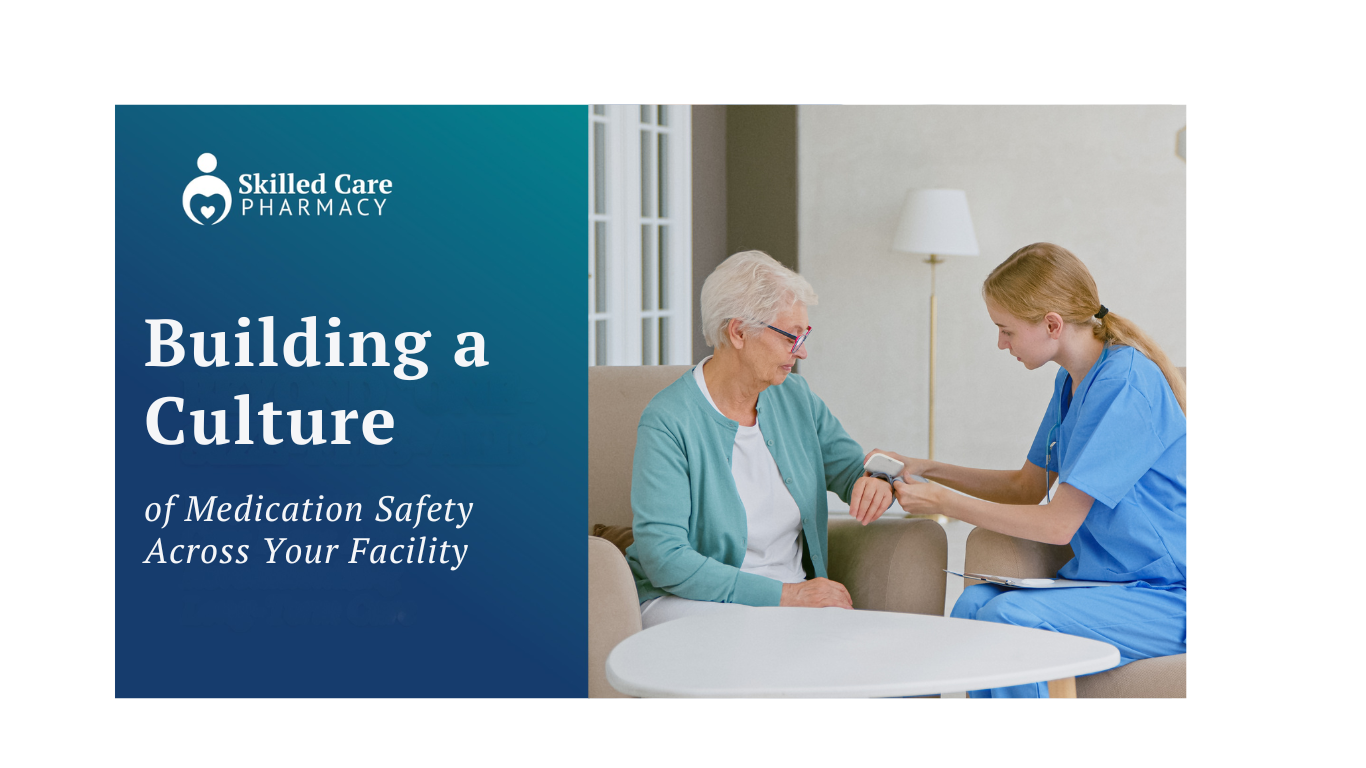
Medication safety is not the responsibility of one department or one individual. It is the result of a culture that values communication, accountability, continuous learning, and collaboration.
In long-term care communities, dozens of professionals contribute to safe medication management every day. Physicians prescribe treatments, pharmacists review medication therapies, nurses administer medications, caregivers monitor residents, and administrators establish policies that support quality care.
When these individuals work together within a culture that prioritizes medication safety, residents benefit from more accurate medication management, improved clinical outcomes, and fewer preventable adverse events.
What Is a Medication Safety Culture?
A medication safety culture is an organizational commitment to preventing medication-related harm through consistent processes, open communication, and continuous improvement.
Rather than reacting to errors after they occur, organizations with strong safety cultures proactively identify risks and develop systems that reduce the likelihood of mistakes.
This approach encourages every employee to contribute to resident safety regardless of their role.
Leadership Sets the Tone
Medication safety begins with leadership.
Administrators and clinical leaders establish expectations by promoting standardized procedures, investing in staff education, encouraging interdisciplinary collaboration, and supporting continuous quality improvement.
When leaders consistently reinforce the importance of medication safety, staff members are more likely to recognize and address potential concerns before they affect residents.
Creating Standardized Workflows
Standardization reduces variation, one of the leading contributors to medication errors.
Facilities should establish consistent procedures for:
- Receiving medication orders.
- Documenting medication changes.
- Medication reconciliation.
- Shift-to-shift communication.
- New admissions.
- Hospital discharges.
- Controlled substance management.
Clear expectations reduce confusion while improving efficiency across departments.
Encouraging Open Communication
A strong safety culture encourages employees to speak up when something seems unusual.
Staff members should feel comfortable asking questions, verifying unclear orders, and reporting near misses without fear of blame.
Open communication helps organizations learn from potential issues before residents are affected.
Continuous Education
Medication management continues to evolve as new medications, treatment guidelines, and regulations emerge.
Providing regular education helps staff remain informed about:
- High-risk medications.
- Medication administration best practices.
- New pharmacy technologies.
- Documentation expectations.
- Clinical monitoring.
- Regulatory updates.
Ongoing learning strengthens confidence while improving consistency.
Leveraging Pharmacy Expertise
Long-term care pharmacists provide valuable clinical support beyond medication dispensing.
They help identify potential interactions, evaluate therapy effectiveness, recommend medication adjustments, and support regulatory compliance.
By working collaboratively with physicians and nursing staff, pharmacists become an integral part of the resident care team.
Technology Supports Safer Care
Technology provides additional safeguards that strengthen medication safety.
Electronic medication records, barcode verification systems, automated interaction alerts, and pharmacy communication platforms improve accuracy while reducing manual documentation errors.
These tools allow clinicians to make informed decisions more efficiently.
Measuring Success
Organizations committed to medication safety monitor performance through measurable indicators such as:
- Medication error trends.
- Near-miss reporting.
- Hospital readmissions.
- Survey findings.
- Staff education completion.
- Medication reconciliation compliance.
Tracking these measures helps leadership identify opportunities for continued improvement.
Medication Safety Is Everyone's Responsibility
Creating a culture of medication safety is not accomplished through a single policy or annual training session. It is built through consistent daily habits, collaborative relationships, and a shared commitment to protecting every resident.
When every member of the healthcare team understands their role and works together toward a common goal, medication safety becomes part of the organization's identity.
Conclusion
Safe medication management requires more than accurate prescriptions. It requires leadership, communication, standardized processes, continuous education, and trusted pharmacy partnerships.
Facilities that invest in a culture of medication safety create stronger teams, improve operational performance, and provide higher-quality care for the residents they serve.
Skilled Care Pharmacy is proud to partner with long-term care communities by providing the clinical expertise, pharmacy support, and collaborative communication needed to help facilities build safer systems every day.
Looking to strengthen medication safety within your organization? Contact Skilled Care Pharmacy today to learn how our long-term care pharmacy services support safer medication management, stronger clinical collaboration, and better resident outcomes.