Learn how routine medication reviews improve resident outcomes, reduce adverse drug events, and support safer medication management in long-term care.
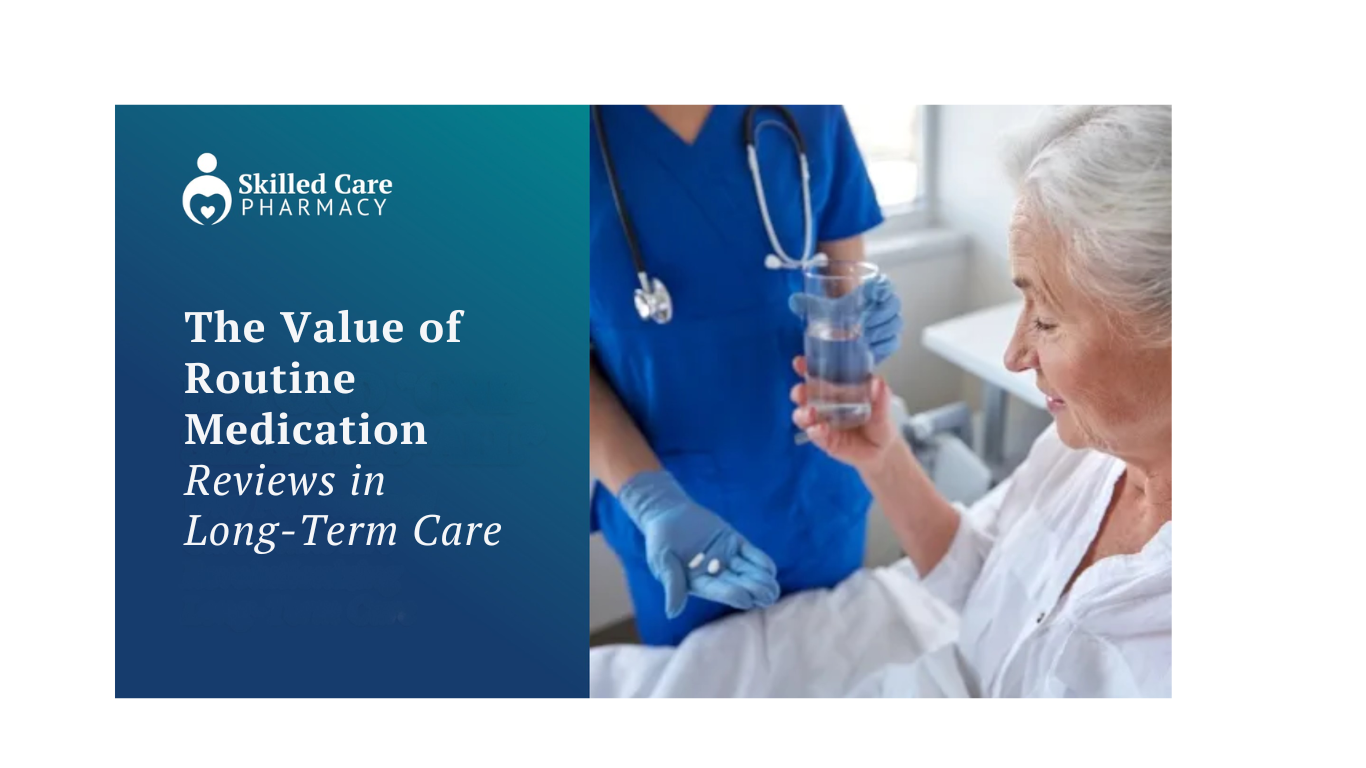
Medication management is one of the most important responsibilities within a long-term care community. Every day, nurses administer medications, physicians evaluate treatment plans, pharmacists review prescriptions, and caregivers monitor residents for changes in condition. While these daily responsibilities are essential, one practice often has an even greater impact on resident safety than many people realize: routine medication reviews.
Too often, medication reviews occur only after a resident returns from the hospital or during an annual care plan meeting. While these are certainly appropriate times to review medications, they should not be the only opportunities. Residents' health conditions, treatment goals, and medication needs change throughout the year. Establishing a routine process for evaluating medication regimens allows care teams to identify concerns early, improve communication, and optimize clinical outcomes before small issues become larger problems.
Why Medication Reviews Matter
Residents in long-term care frequently manage multiple chronic conditions. Diabetes, hypertension, heart disease, dementia, arthritis, chronic pain, and other illnesses often require several medications to be taken simultaneously. As new diagnoses emerge or specialists adjust treatment plans, medication lists can become increasingly complex.
Routine medication reviews provide an opportunity to evaluate whether every medication remains appropriate, effective, and necessary.
Without regular review, facilities may unknowingly continue medications that are no longer needed, overlook duplicate therapies, or miss opportunities to simplify treatment plans. These situations increase the risk of adverse drug events, medication interactions, falls, confusion, and unnecessary hospitalizations.
Addressing Polypharmacy
Polypharmacy, commonly defined as the use of five or more medications, is increasingly common among older adults. While many residents legitimately require multiple medications, each additional prescription increases the complexity of medication management.
Routine medication reviews help clinicians evaluate:
- Whether medications continue to support current treatment goals.
- Whether duplicate therapies exist.
- Whether dosages remain appropriate.
- Whether medications may be contributing to unwanted side effects.
- Whether non-pharmacological interventions should be considered.
Reducing unnecessary medications not only supports resident safety but also simplifies medication administration for caregivers.
Recognizing Changes in Resident Condition
A resident's health status is rarely static. Weight loss, reduced kidney function, cognitive decline, changes in mobility, or new diagnoses may all influence how medications should be managed.
Routine medication reviews encourage providers to ask important questions:
- Is this medication still achieving its intended purpose?
- Has the resident experienced new symptoms?
- Are there signs of adverse drug reactions?
- Has another provider prescribed additional medications?
- Has the resident's overall health changed significantly?
By identifying these changes early, care teams can adjust treatment plans before complications develop.
Strengthening Interdisciplinary Collaboration
Medication reviews are most effective when they involve the entire healthcare team.
Physicians contribute clinical oversight and treatment goals. Pharmacists evaluate medication appropriateness, identify interactions, and recommend alternatives when appropriate. Nurses provide valuable observations regarding resident response, medication adherence, and day-to-day changes in condition.
This collaborative approach creates more informed clinical decisions while improving communication between departments.
Supporting Regulatory Compliance
Medication management remains a significant focus during state surveys and regulatory inspections.
Surveyors often evaluate:
- Medication documentation.
- Physician orders.
- Medication storage.
- Medication administration practices.
- Clinical monitoring.
- Documentation of medication changes.
Routine medication reviews help facilities maintain organized documentation while demonstrating a proactive commitment to resident safety.
The Role of Technology
Modern pharmacy technology has significantly improved the medication review process.
Electronic medication records, clinical alerts, automated interaction screening, and integrated pharmacy systems provide valuable decision support that helps clinicians identify potential concerns more efficiently.
Technology does not replace clinical judgment, but it enhances the healthcare team's ability to recognize issues that may otherwise be overlooked.
The Value of an Experienced Pharmacy Partner
A long-term care pharmacy does far more than dispense medications.
Experienced pharmacy partners provide:
- Clinical medication reviews.
- Drug interaction monitoring.
- Therapy recommendations.
- Regulatory guidance.
- Medication reconciliation support.
- Ongoing communication with physicians and nursing staff.
This partnership strengthens the facility's ability to deliver safe, efficient, resident-centered care.
Creating a Culture of Continuous Improvement
Medication reviews should not be viewed as a regulatory requirement or an annual task. Instead, they should become part of a culture of continuous improvement that prioritizes resident safety every day.
Facilities that consistently review medications often experience:
- Fewer medication discrepancies.
- Better communication.
- Improved resident outcomes.
- Greater survey readiness.
- Increased caregiver confidence.
Small, proactive improvements made throughout the year often prevent larger problems from developing later.
Conclusion
Routine medication reviews are one of the most effective tools long-term care facilities have for improving resident safety and strengthening operational performance.
By making medication reviews an ongoing process rather than an annual event, facilities can reduce unnecessary medications, improve communication among healthcare providers, and deliver more personalized care for every resident.
At Skilled Care Pharmacy, we believe medication management is most successful when it is proactive, collaborative, and focused on continuous improvement.
Call to Action
Want to strengthen your medication review process? Contact Skilled Care Pharmacy today to learn how our clinical pharmacy team supports long-term care communities through comprehensive medication management, collaborative clinical oversight, and personalized pharmacy services.