Discover how stronger communication between pharmacy, nursing, and physicians improves resident outcomes, reduces medication errors, and strengthens operational performance.
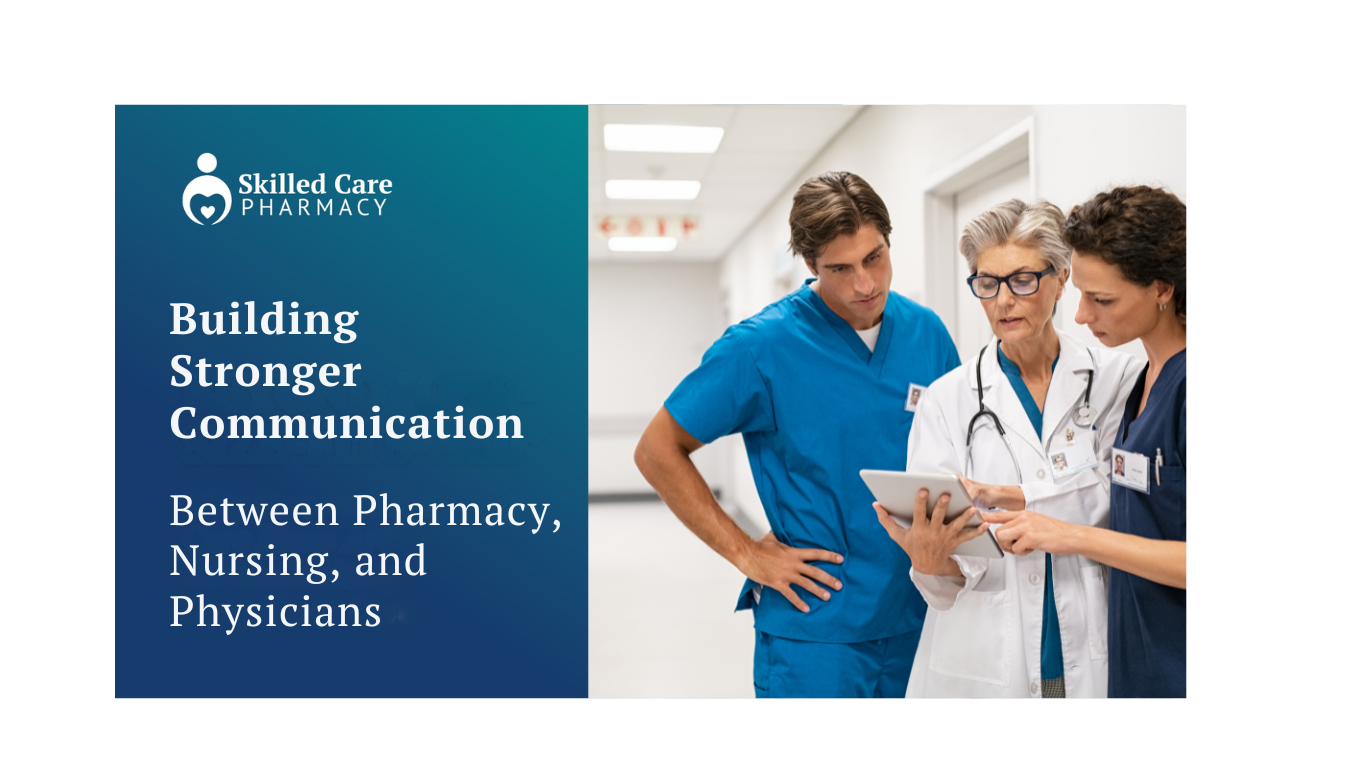
High-quality resident care depends on more than clinical expertise. It requires effective communication between every member of the healthcare team. In long-term care, pharmacy providers, nurses, and physicians each play a vital role in medication management, yet even small communication gaps between these disciplines can create unnecessary risk.
Building stronger communication systems is one of the most effective ways facilities can improve resident safety, reduce medication errors, and create more efficient workflows.
Why Communication Matters
Medication management is a collaborative process. Physicians prescribe treatments, pharmacists review medication orders for safety and effectiveness, and nursing teams administer medications while monitoring resident responses.
When communication breaks down at any point, the consequences may include:
- Delayed medication administration
- Conflicting treatment plans
- Duplicate therapies
- Documentation inconsistencies
- Increased workload for nursing staff
- Resident safety concerns
Creating reliable communication pathways allows each discipline to work more efficiently while maintaining continuity of care.
Common Communication Challenges
Long-term care facilities face unique operational challenges that can complicate communication, including:
- Multiple physicians treating the same resident
- Frequent medication changes
- Shift-to-shift handoffs
- After-hours medication orders
- Hospital and specialist transitions
Without standardized communication processes, important information can be delayed or overlooked.
Strategies for Improving Communication
Successful facilities establish systems that promote timely, accurate information sharing.
Standardized Communication Protocols
Clear expectations for documenting medication changes help ensure consistency across departments and shifts.
Interdisciplinary Collaboration
Regular collaboration between nursing leadership, pharmacists, and physicians encourages proactive problem-solving and supports coordinated resident care.
Real-Time Documentation
Integrated technology allows medication updates to be shared quickly, reducing confusion and minimizing manual documentation errors.
Access to Clinical Expertise
Providing caregivers with direct access to pharmacists for medication questions supports timely clinical decision-making and increases confidence among nursing staff.
Communication During Care Transitions
Hospital discharges and specialist visits often introduce medication changes that require immediate attention.
Facilities should establish procedures to ensure:
- Updated medication lists are received promptly.
- Medication reconciliation is completed.
- Physicians are notified of significant changes.
- Nursing staff receive timely communication before medication administration resumes.
Strong communication during transitions reduces preventable medication discrepancies and supports continuity of care.
Operational Benefits
Improving communication extends beyond resident safety. Facilities often experience:
- Reduced administrative burden
- Fewer medication-related interruptions
- Improved workflow efficiency
- Better staff satisfaction
- Stronger survey readiness
- Increased resident and family confidence
These improvements contribute to a healthier work environment while supporting long-term organizational success.
The Role of Pharmacy
Modern long-term care pharmacies provide more than medication dispensing. They serve as clinical partners by supporting communication, documentation, medication reviews, and operational workflows.
Skilled Care Pharmacy works closely with nursing teams and physicians to provide timely updates, clinical consultation, and medication management support that strengthens interdisciplinary collaboration.
Conclusion
Strong communication is one of the most valuable tools long-term care facilities have for improving medication management and resident outcomes. By investing in collaborative systems and reliable pharmacy partnerships, facilities create safer environments, improve operational performance, and empower care teams to deliver their best work every day.
Looking to strengthen communication between your nursing staff, physicians, and pharmacy partner? Connect with Skilled Care Pharmacy to learn how our collaborative approach supports safer medication management, stronger workflows, and better resident outcomes.