Learn how accurate medication documentation improves resident safety, survey readiness, and operational efficiency in long-term care facilities.
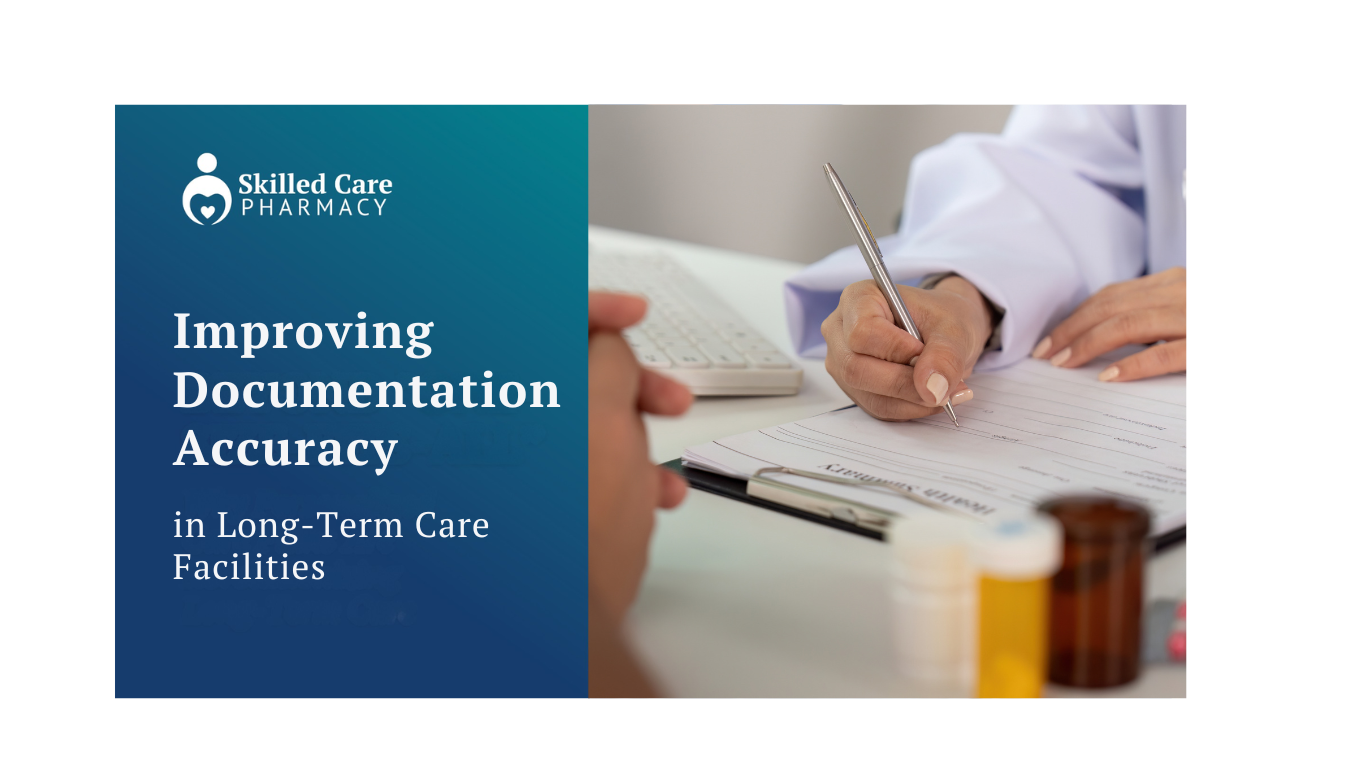
Accurate documentation is one of the most important foundations of safe and effective care in long-term care facilities. Medication records guide daily clinical decisions, support communication between caregivers, and serve as critical compliance documentation during surveys and audits.
Even minor documentation inconsistencies can create operational challenges and increase risk for residents. In environments where multiple caregivers work across rotating shifts, consistency and clarity are essential.
Why Documentation Accuracy Matters
Medication documentation impacts nearly every aspect of facility operations. Accurate records help ensure that:
• Residents receive the correct medications at the correct times
• Care teams remain aligned during shift transitions
• Medication changes are communicated clearly
• Facilities remain prepared for audits and inspections
Incomplete or outdated documentation increases the likelihood of medication discrepancies, duplicate administration, and missed doses.
Common Documentation Challenges in LTC
Long-term care facilities manage high volumes of information every day. Common documentation challenges include:
• Delayed updates following medication changes
• Communication gaps between shifts
• Manual entry errors
• Inconsistent documentation practices across teams
Without standardized systems, these challenges can quickly affect resident safety and operational performance.
The Role of Medication Administration Records
Medication Administration Records, or MARs, are one of the most critical tools in long-term care. Up-to-date MARs provide caregivers with accurate medication schedules, dosage information, and administration instructions.
Facilities that maintain consistent MAR accuracy reduce confusion and improve continuity of care.
Strengthening Documentation Processes
Facilities can improve documentation accuracy by implementing:
Standardized Procedures
Clear processes for medication updates and administration reduce inconsistencies.
Ongoing Staff Training
Regular education ensures staff understand documentation expectations and compliance standards.
Real-Time Communication
Timely communication between nursing teams and pharmacy providers helps prevent outdated records.
Integrated Technology Systems
Technology solutions reduce manual errors and support faster updates across care teams.
Documentation and Survey Readiness
Surveyors closely evaluate medication documentation during inspections. Facilities with organized, accurate records are better positioned to demonstrate compliance and operational consistency.
Strong documentation practices also help reduce stress during survey preparation by ensuring records are readily available and complete.
Pharmacy Partnership and Documentation Support
Pharmacy providers play an important role in maintaining documentation accuracy. Timely medication updates, pharmacist oversight, and reliable communication help facilities stay organized and compliant.
Skilled Care Pharmacy supports long-term care facilities with integrated systems and operational support designed to improve documentation accuracy and strengthen medication management processes.
Conclusion
Documentation accuracy is more than an administrative task. It is a critical component of resident safety, operational efficiency, and compliance readiness.
Facilities that prioritize clear, consistent medication documentation create safer environments for residents and stronger workflows for staff.
Want to strengthen medication documentation processes and improve survey readiness within your facility? Contact Skilled Care Pharmacy today to learn how our team supports long-term care facilities through accurate medication management and operational support.